Popular Articles
 Productivity
11.11.2026
Personal Knowledge: Notes, Tasks and Reference Data
Personal knowledge systems help you capture health-related information, track tasks, and keep reference data you can trust. This guide is for readers who want reliable self-management without turning notes into a chaotic archive. You will learn how to structure notes, separate tasks from reference material, choose practical tools, and reduce common errors like mixing sources or losing context. Includes examples, a decision checklist, and a short FAQ.
 Productivity
31.10.2026
Focus Time: Productive Minutes per Workday
Focus time measures how many minutes you spend on work that actually moves a goal forward. This guide is for office workers, students, and caregivers who want reliable ways to track attention, reduce interruptions, and plan realistic workdays. You’ll learn what “productive minutes” means, common measurement traps, practical tracking methods, and how to compare strategies without turning focus into a guilt metric. Includes examples, a checklist, and an FAQ.
 Productivity
27.10.2026
Async Work: Response Windows and Meeting Load
This article explains how asynchronous work affects response windows and meeting load in teams that coordinate tasks, including health-related workflows. It helps readers understand why delays happen, how dependencies and notification systems shape turnaround times, and how to measure meeting pressure without guessing. You’ll learn practical ways to set response-time expectations, design handoffs, and reduce unnecessary meetings while keeping accountability and safety in time-sensitive work.
 Productivity
22.10.2026
Calendar Fragmentation: Measuring Focus Recovery
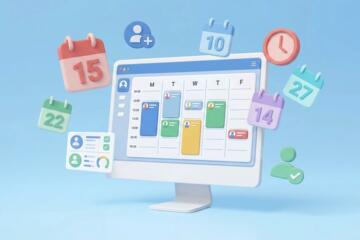
Calendar fragmentation happens when work, health, and personal commitments live across multiple calendars, apps, and formats, breaking attention and delaying recovery after interruptions. This article helps readers who manage busy schedules measure “focus recovery” using practical timing signals, not vague productivity claims. You’ll learn how to map fragmentation sources, choose metrics, run small tests, and interpret results safely—so you can reduce context switching without overhauling your life.
 Productivity
16.10.2026
Task Switching: Seconds Lost Between Work Contexts
Task switching is the hidden time cost of moving between emails, documents, tickets, meetings, and tools. It matters for people who juggle knowledge work and want steadier focus, fewer mistakes, and less mental fatigue. This article explains what causes the seconds between contexts, how supporting systems like notifications and browser tabs worsen the problem, and what to measure. You’ll learn practical routines, realistic targets, and common failure modes to avoid.
 Productivity
10.10.2026
Productivity Metrics: What to Measure Beyond Task Counts
Productivity metrics shape how people plan work, track progress, and decide what to change. This article explains why task counts alone distort outcomes for knowledge work, health-adjacent teams, and personal planning. You’ll learn practical measures like cycle time, quality signals, rework rate, and focus time, plus how to set targets and review them weekly. Includes realistic scenarios, a decision checklist, common measurement mistakes, and a short FAQ for choosing metrics that match your goals.
 Productivity
04.10.2026
Knowledge Capture: Notes vs Tasks vs Reference Data
Keeping track of health information gets messy fast when everything ends up in one long note. This article shows a clearer way to capture health-related knowledge by separating what you write into three buckets—notes, tasks, and reference data—so you don’t mix symptom logs with to-dos or permanent facts. It’s built for anyone juggling appointments, medications, test results, and questions for clinicians. You’ll learn how each category should behave over time, how to set up a simple workflow you can actually stick with, and how to avoid common trust problems like outdated details, lost follow-ups, or “I know I wrote that somewhere” moments. Real-world examples make it obvious what to record, what to skip, and how to keep the system reliable
 Productivity
28.09.2026
Async vs Sync Work: When Each Is More Efficient
Async vs sync work describes how software handles tasks that wait on I/O like network calls, disk reads, or user input. This guide helps readers choose the right approach for apps, scripts, and health-adjacent systems that process data reliably. You’ll learn how blocking affects latency, how async scheduling changes throughput, where dependencies break concurrency, and how to measure results with practical checks and examples.
 Productivity
22.09.2026
Focus Time: How to Measure Your Real Productive Hours
Focus time measures the minutes you spend on a task with low interruption and clear progress, not just time at a desk. This guide is for people who track work habits, students managing study blocks, and managers improving planning. You’ll learn how to define productive hours, measure them with simple logs and app data, separate deep work from busy work, and interpret results without gaming the numbers. Includes examples, a checklist, and common measurement mistakes.
 Productivity
16.09.2026
Priority Scoring: RICE vs ICE for Personal Tasks
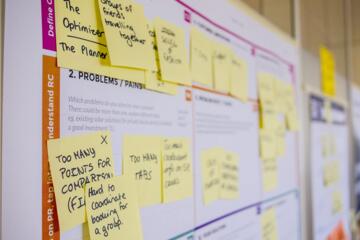
RICE and ICE are two popular priority scoring methods used to rank personal tasks when time and attention are limited. This article explains what each score measures, where people misread the inputs, and how to translate the numbers into weekly choices. You’ll learn practical steps for estimating Reach, Impact, Confidence, Effort versus ICE’s Impact, Confidence, and Ease, plus a checklist, examples, and common mistakes to avoid.